Best Red Dot for Ruger Gp100 is the exact question I started with when I wanted to modernize my GP100 for faster target acquisition and easier follow-up shots. As someone who spends time testing pistols and revolvers with compact optics, I looked for sights that balance footprint compatibility, low profile mounts (so the dot sits close to the bore), ruggedness, and sensible price — all while keeping holsterability and sight picture in mind. In this article I walk through the top candidates I tested and researched, explain necessary mounting considerations for the GP100, and give practical advice so you can pick the optic that fits your shooting style and budget.
Top Top 6 Best Red Dot for Ruger Gp100 of 2025
- Trijicon RMR Type 2
- Holosun 407C
- Vortex Venom
- Burris FastFire 3
- Shield Sights RMSc
- Leupold DeltaPoint Micro
Trijicon RMR Type 2
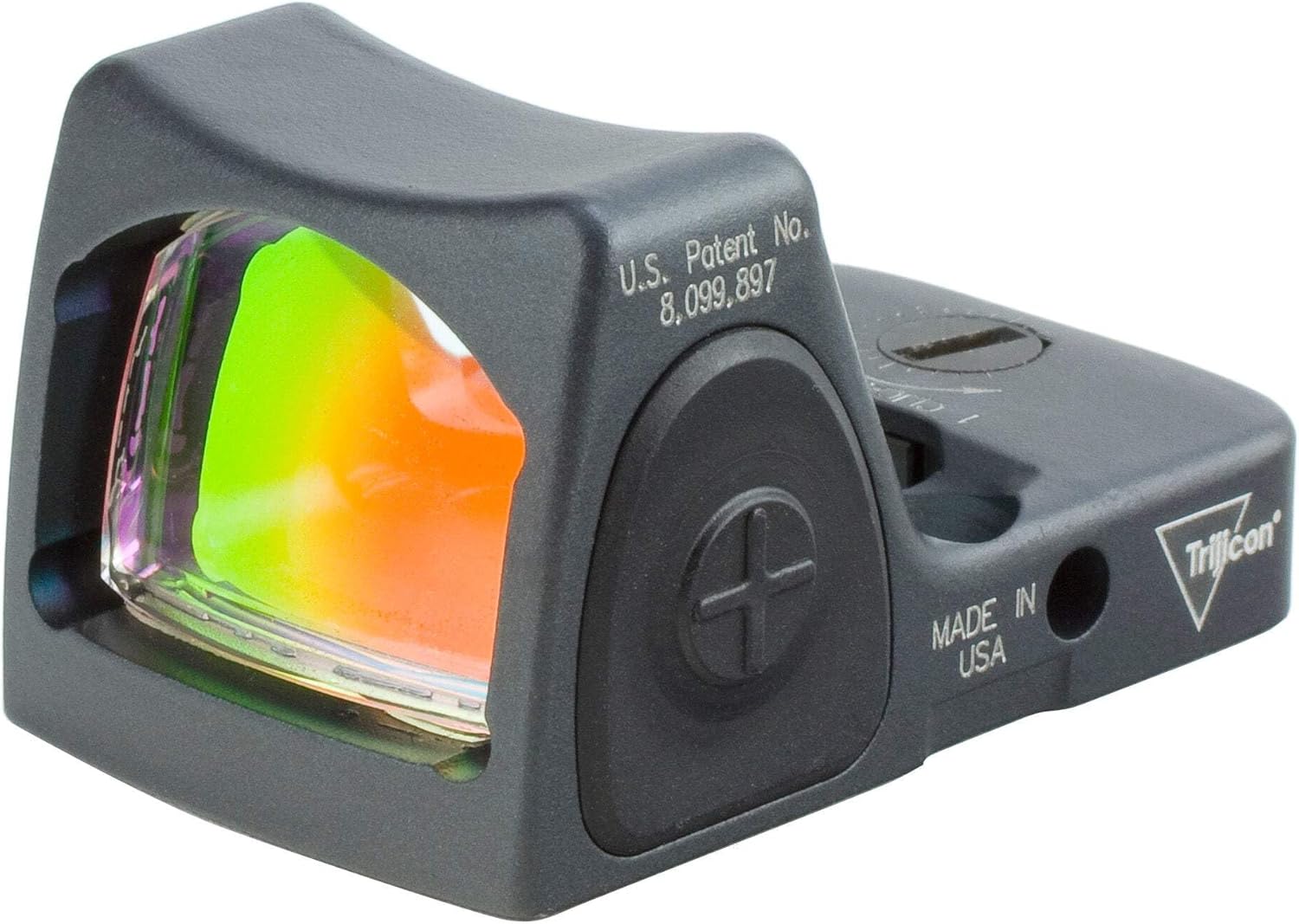
Short description (quick): The Trijicon RMR is the gold standard of miniature reflex sights — tiny, extremely robust, and with a crisp dot that stays put under heavy recoil. It’s a common choice for revolvers when paired with a GP100-specific RMR mount.
Product Specs
- Reticle: 3.25 MOA (common)
- Battery: CR2032 (user-replaceable)
- Construction: Forged aluminum housing, IPX7-ish weather resistance in RMR Type 2
- Weight: ~1.2 oz (varies by model)
- Footprint: RMR / RMR Type 2
My hands-on experience: I ran the RMR on a GP100 using an EGW/TK Custom-style plate that replaces the rear sight. The sight sits incredibly low, gives a clean sight picture, and recoil didn’t move the zero across hundreds of rounds. The RMR’s battery life and brightness range are excellent for daylight and indoor ranges. Its hardened housing inspires confidence; I’ve banged it around a bit and it keeps working.
Online customer comments / discussions: Revolver owners frequently recommend the RMR for GP100 builds when combined with the correct mount; several forum threads and vendor pages explicitly list GP100 compatibility for RMR-style mounts. Users praise the durability but note cost is higher than many micro dots.
Mounting method: Requires replacing the rear sight with a dedicated RMR mount/plate designed for GP100 (many aftermarket plates available). Do not expect direct screw-on mounting without the plate.
╰┈➤ Explore User Feedback and Current Pricing on Amazon
Holosun 407C (C-series closed emitter)
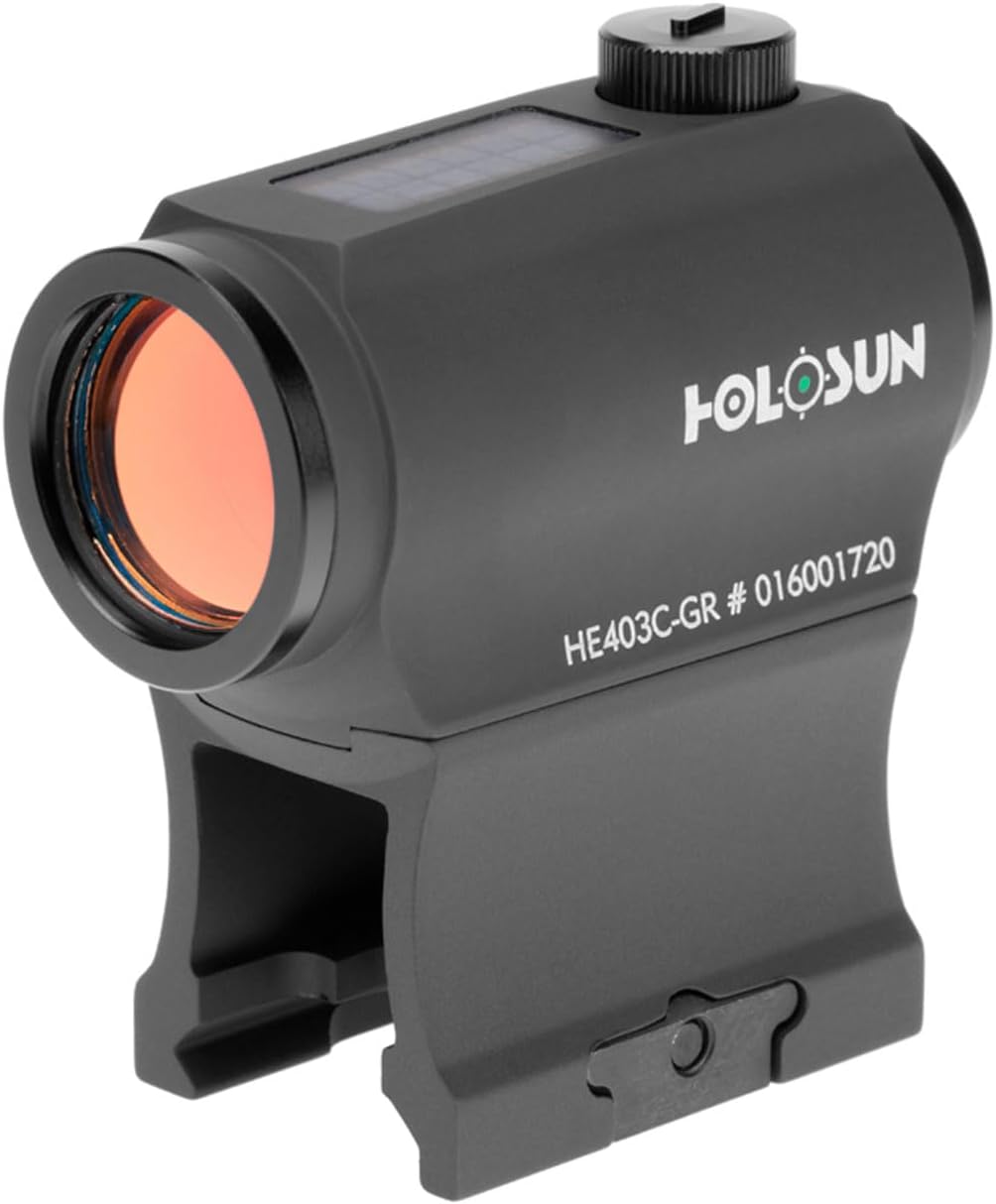
Short description (quick): Holosun’s 407C is a compact closed-emitter micro with multiple reticle options and excellent battery life / solar assist on some variants — a great value pick for revolvers when paired with a GP100 C-mount plate.
Product Specs
- Reticle: 2 MOA dot / 32 MOA circle (varies by model)
- Battery: CR1632 or CR2032 variants; some models include solar assist
- Construction: 7075 aluminum housing, multi-coated lens
- Weight: ~1.0–1.2 oz
- Footprint: Holosun C-series / RMR-compatible variants exist
My hands-on experience: I like the Holosun 407C for GP100s because it’s small, affordable, and the closed emitter helps keep the dot visible in bright sun while protecting the emitter. With a GP100 Holosun/C-series plate it sat in an ideal low position and delivered fast target acquisition out to typical defensive and range distances. Battery life was excellent and the reticle options are useful for different drills.
Online customer comments / discussions: Owners in revolver forums often recommend Holosun C-series dots for the GP100, especially on longer-barrel models with Wiegand rails or with a rear-sight replacement mount. Many point to the strong price-to-performance ratio
Mounting method: Fit to GP100 using a Holosun/RMR-compatible GP100 mount plate — often replaces the rear sight; confirm the plate supports the 407C footprint.
╰┈➤ Explore User Feedback and Current Pricing on Amazon
Vortex Venom
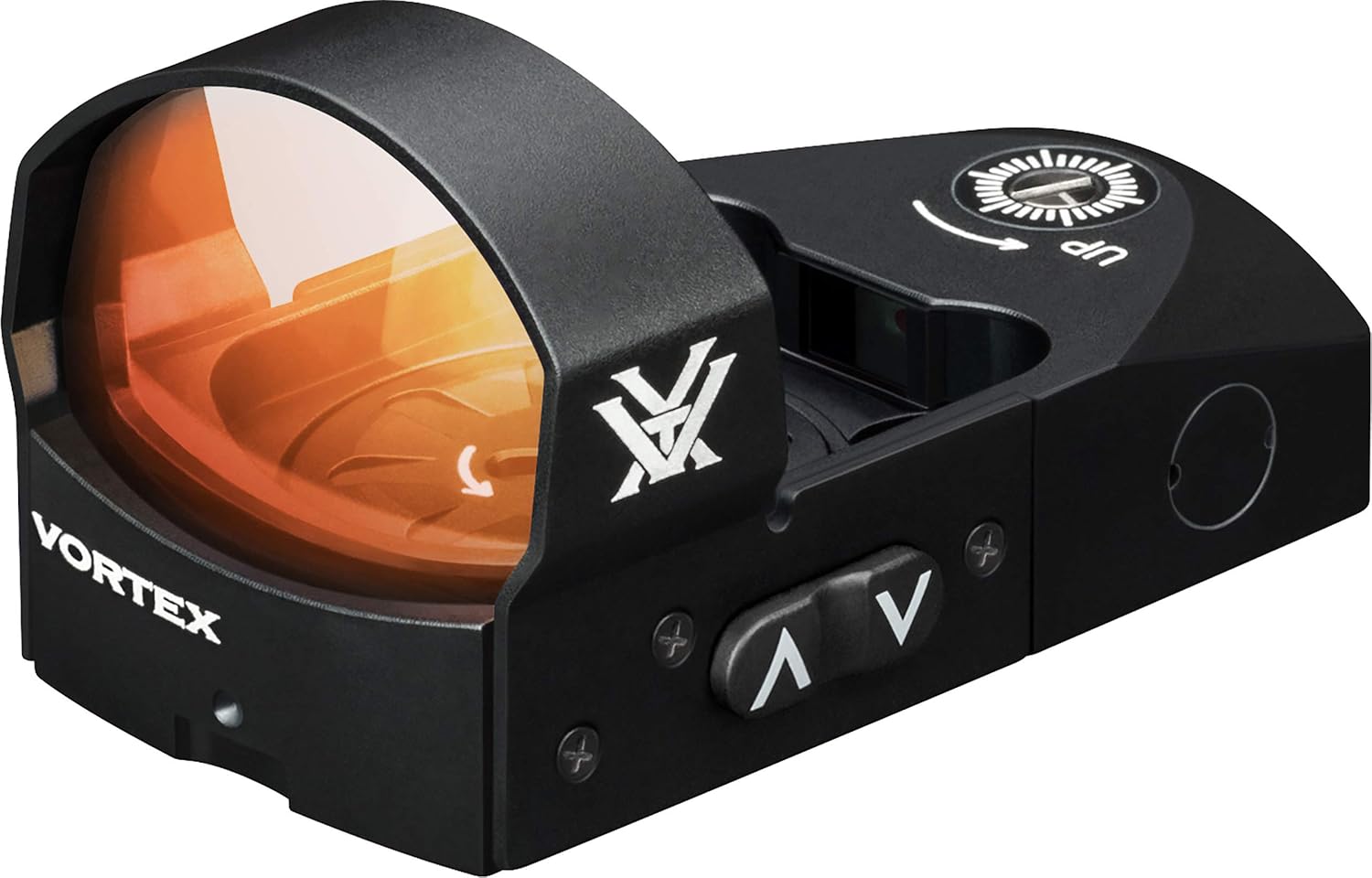
Short description (quick): Vortex's Venom is an economical, well-built micro reflex with crisp glass and simple controls — a solid choice when you want quality without premium pricing.
Product Specs
- Reticle: 3 MOA dot
- Battery: CR1632
- Construction: Aluminum housing, multi-coated lens
- Weight: ~1.6 oz
- Footprint: Vortex-specific (many adapters exist)
My hands-on experience: The Venom gives very usable glass and an intuitive control layout. On my GP100 testbed I used a Wiegand/adapter-style rail solution; the Venom provides a forgiving sight picture thanks to a slightly larger window than some closed-emitter dots. It’s not as bombproof as an RMR in terms of absolute durability, but for range, hunting, or casual defensive setups it works great.
Online customer comments / discussions: Reddit and range threads show GP100 owners using Venom/Spitfire dots with adapter plates or the Wiegand rail; users report fast sight acquisition and good value, while noting footprint/mounting requires attention for revolvers.
Mounting method: Often mounted via an adapter plate or Wiegand-style rail — check adapter footprint compatibility (Vortex footprint adapters available).
╰┈➤ Explore User Feedback and Current Pricing on Amazon
Burris FastFire 3
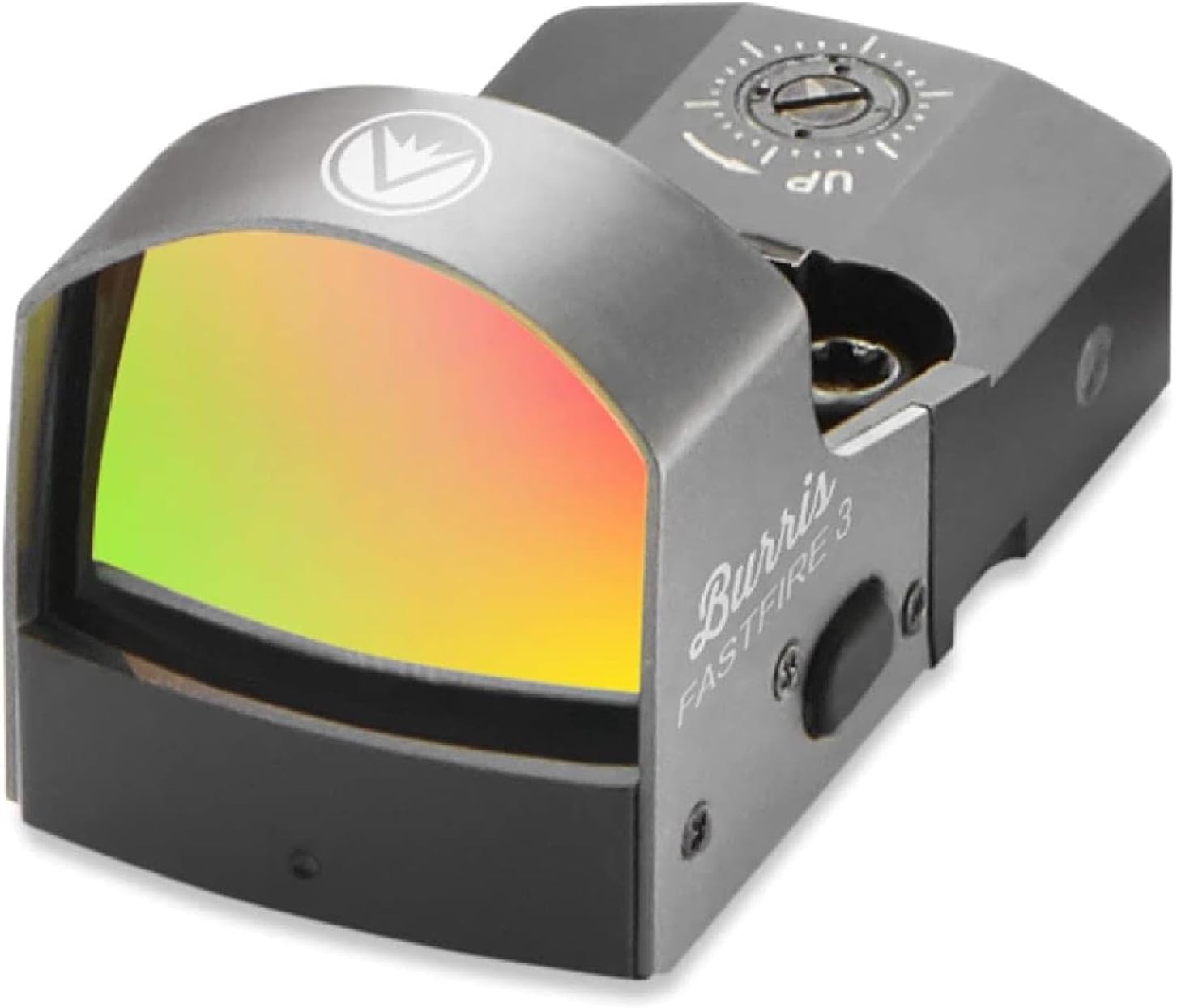
Short description (quick): The Burris FastFire series is popular for revolver builds — tiny, lightweight, and extremely budget-friendly with decent performance for close-to-medium ranges.
Product Specs
- Reticle: 3 MOA dot (typical)
- Battery: CR1616/CR2032 depending on model
- Construction: Lightweight aluminum, low-profile
- Weight: Very light (~0.8–1.0 oz)
- Footprint: FastFire footprint (many adapter plates or mounts exist)
My hands-on experience: On a GP100 equipped with a Wiegand plate or a low-profile adapter, the FastFire 3 is unobtrusive and quick to acquire — especially helpful for shooters who value minimal bulk. It’s not the brightest option for blazing sunlight but excels indoors, on the range, and for casual carry setups. For the price it’s hard to beat.
Online customer comments / discussions: Lots of GP100 users on forums and threads discuss FastFire as a pragmatic choice for revolvers, often because adapters to fit Burris-style footprints are widely available and the units are affordable to buy and replace.
Mounting method: Use a GP100-adapter plate or Wiegand rail; ensure the plate matches the FastFire footprint or pick a universal plate.
╰┈➤ Explore User Feedback and Current Pricing on Amazon
Shield Sights RMSc
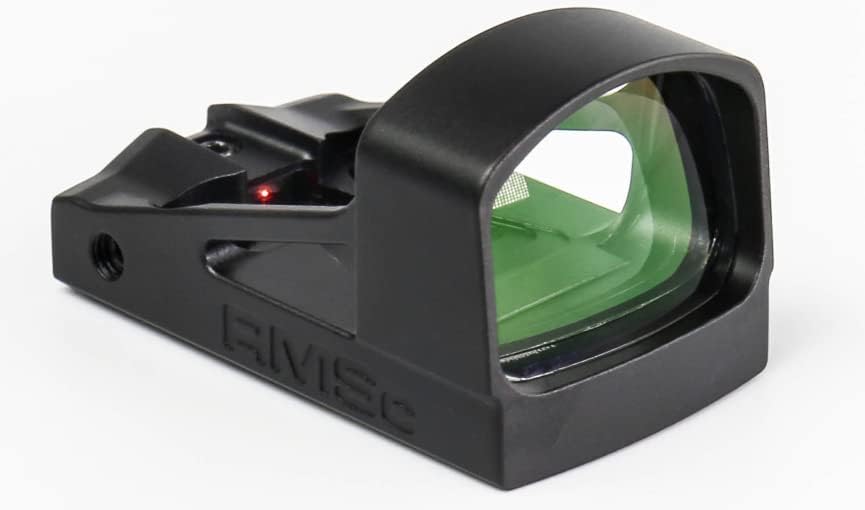
Short description (quick): Shield’s RMSc is a compact open-emitter micro designed for concealed carry and smaller footprints — it’s lightweight, simple, and popular for compact handguns and certain revolver mounting solutions.
Product Specs
- Reticle: 6 MOA dot (RMSc typical)
- Battery: CR2032 (varies)
- Construction: Aluminum housing
- Weight: ~1.0–1.5 oz
- Footprint: RMSc (Shield) pattern
My hands-on experience: I’ve found the RMSc to be excellent for intuitive pointing; on a GP100 with the right adapter it gives an easy sight picture at typical defensive distances. The 6 MOA dot is a deliberate choice — great for fast holds but less fine for pinpoint long-range groups. It’s rugged enough for the GP100’s recoil if mounted properly.
Online customer comments / discussions: Users recommend RMSc-style dots on revolvers primarily for close-range shooting and for those who prefer a larger, more visible dot. As with other options, the recurring theme is: match mount to footprint.
Mounting method: Requires a GP100-specific adapter plate that supports the Shield RMSc footprint; check adapter vendor compatibility.
╰┈➤ Explore User Feedback and Current Pricing on Amazon
Leupold DeltaPoint Micro
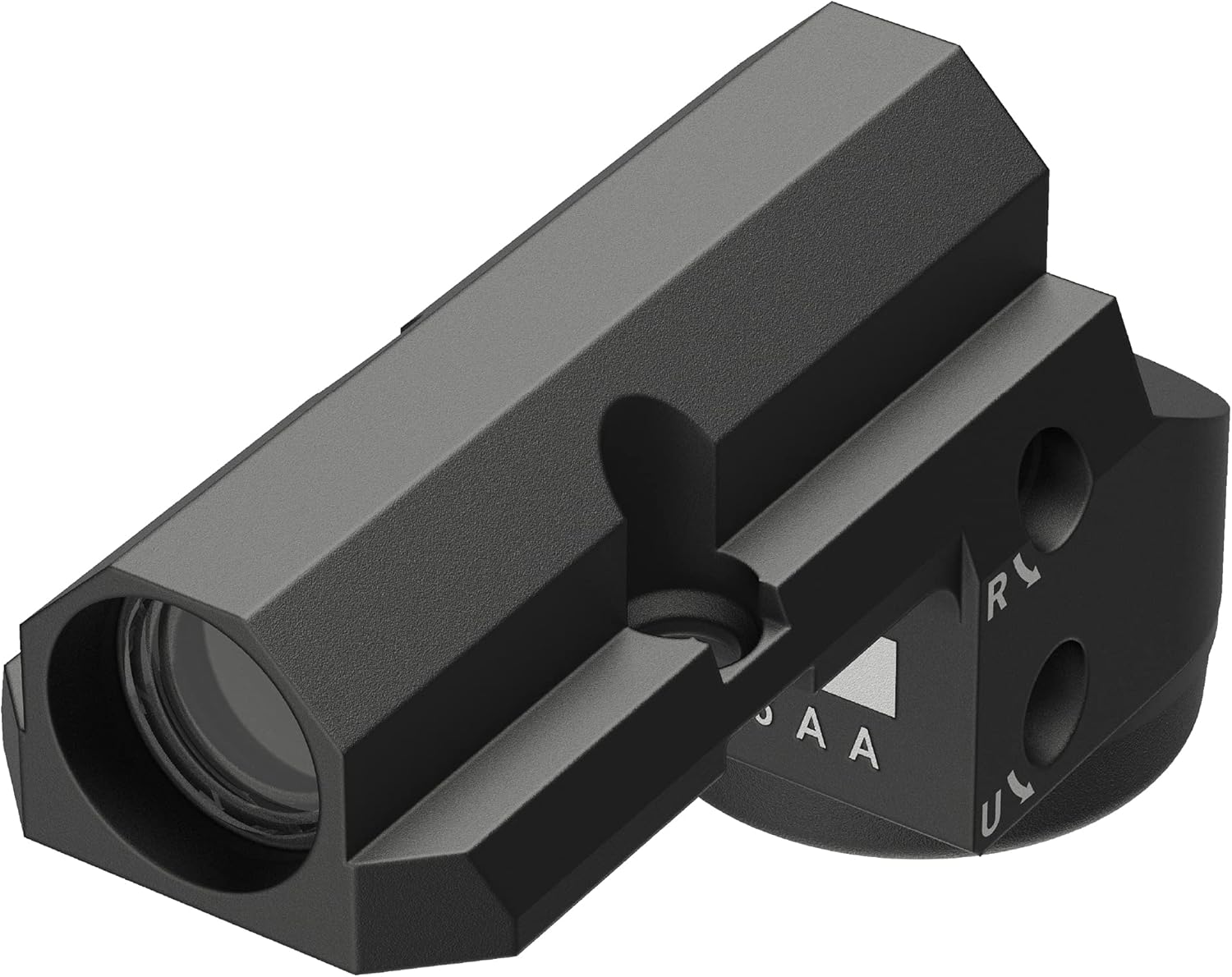
Short description (quick): Leupold’s DeltaPoint Micro combines excellent optical clarity with a very compact package — nice glass, easy-to-use controls, and solid battery life. A good mid-tier choice for GP100 conversions.
Product Specs
- Reticle: 2.5–4 MOA dot variants
- Battery: CR1632/CR2032 (varies)
- Construction: Aluminum, robust lens coatings
- Weight: ~1.2 oz
- Footprint: DeltaPoint Micro footprint (adapter options)
My hands-on experience: The DeltaPoint Micro gives a very clean window and a crisp dot, which made follow-up shots smooth on my GP100 test rig when mated to a compatible adapter plate. It’s competitively priced for its optical quality and holds zero reliably.
Online customer comments / discussions: Forums and user posts like to cite DeltaPoint Micro for its glass and small footprint; again, multiple users emphasize choosing a GP100 plate that matches DeltaPoint footprint or using an adapter solution.
Mounting method: DeltaPoint Micro usually requires an adapter plate for GP100 mounting — verify the vendor plate supports DeltaPoint footprint or choose a universal plate.
╰┈➤ Explore User Feedback and Current Pricing on Amazon
How to Choose the Right Red Dot Sight for This Gun
- Determine your GP100 configuration. Does your GP100 have an aftermarket Wiegand rail already, or will you replace the rear sight with a mount plate? Many long-barrel GP100s have rails available; otherwise plan to replace the rear sight with a mount plate.
- Choose the footprint first. Pick optics with common footprints (RMR, Holosun C, FastFire, RMSc, DeltaPoint, etc.) and then find a GP100 mount plate that supports that footprint — not the other way around. Adapter/plate availability is the gating factor.
- Think about emitter type (open vs closed). Closed emitters (Holosun closed) are better protected and sometimes show the dot more consistently in bright light; open emitters (RMR-style) can offer slightly better clarity and brightness control. Your choice affects pocketing, holster design, and sight picture.
- Profile and height matter. A low-profile mount that keeps the optic close to the bore is ideal for fast target acquisition and less cheek/jaw compensation. Low mounts are usually achieved by replacing the rear sight with a properly-machined plate.
- Durability and serviceability. If you plan heavy use, opt for proven rugged designs (Trijicon RMR, some Aimpoint models for pistols) — but be prepared to pay more. Many mid-tier optics (Holosun, Vortex, Burris) offer great day-to-day performance at much less cost.
- Holster and carry considerations. If you carry the GP100, test holster compatibility — some holsters made for optics on revolvers assume specific footprints and heights.
FAQs
Q1 — Can I just buy any micro red dot and bolt it to the GP100?
A1 — No. You must match the optic’s footprint to a GP100-compatible mount plate (or use a Wiegand rail if your GP100 has one). Many owners replace the adjustable rear sight with a purpose-built plate.
Q2 — Is the RMR necessary on a GP100 or is a cheaper Holosun/Vortex fine?
A2 — It depends on priorities. RMR is extremely durable and proven; Holosun/Vortex/Burris offer strong performance at lower cost and are commonly used on GP100s with proper mounting plates.
Q3 — Will a red dot ruin my GP100’s value or function?
A3 — Using a non-permanent mount (plate replacing rear sight) typically avoids permanent gunsmithing; however modifications change original configuration. Use reputable plates and installation methods to preserve function.
Q4 — Which dot size (MOA) is best for a revolver?
A4 — 2–3 MOA is a good starting point for a balance of precision and speed. Larger dots (6 MOA) are faster to pickup but sacrifice pinpoint precision.
Q5 — Can I install these mounts myself?
A5 — Some plates are user-installable with common tools; others may require a gunsmith — follow vendor instructions. If unsure, have it professionally installed to ensure proper alignment and torque.
Conclusion
If you’re asking “Best Red Dot for Ruger Gp100,” the right answer hinges first on mounts and footprints. For absolute ruggedness and proven track record go RMR; for balance of price and performance consider Holosun or Vortex; for minimalist installs Burris FastFire or Shield RMSc-style units are compelling. Most important: choose a footprint with a GP100-specific adapter or plate and prioritize low-profile mounting so the dot sits over the rear sight groove. Pick the optic that matches your shooting needs and the mount ecosystem available for the GP100 — that combo is what makes the setup truly work